CVT: constitutional competence and valuation complexities

KARACHI: Capital value tax (CVT) is not a novel concept in Pakistan’s fiscal framework. It was first introduced through the Finance Act, 1989, primarily as a tax on the acquisition or transfer of specified assets, including immovable property, motor vehicles, and certain financial instruments. Over time, its scope and application evolved, and it effectively ceased to operate after its abolition through the Tax Laws (Amendment) Ordinance, 2020. The present CVT regime was reintroduced under Section 8 of the Finance Act 2022 as Capital Value Tax 2022, complemented by the Capital…

Read More

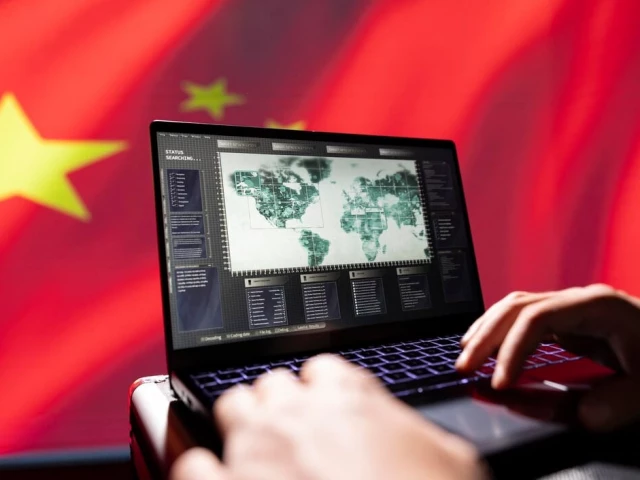
China at economic crossroads

ISLAMABAD: The two sessions — the plenary meeting of the National People’s Congress and the National Committee of the Chinese People’s Political Consultative Conference — have always been important for China. They are significant because the Chinese leadership finalises critical policy choices, policy documents, and action plans in consultation with representatives of the people. The consultation is not limited to the Communist Party of China (CPC) members but also includes other political parties, leading experts, businessmen, and others. With China’s progress and enhanced economic status, the sessions have also gained global attention.…

Read More

Reforming the state to create 30 million jobs

ISLAMABAD: During his recent visit, Ajay Banga warned that Pakistan must create 2.5 to 3 million jobs annually – roughly 30 million over the next decade – or risk converting its demographic advantage into instability. This is not a development slogan but a structural test of the state. In today’s geopolitical environment, economic resilience is inseparable from national security. A country unable to productively absorb its youth risks internal volatility, fiscal fragility and strategic vulnerability. Employment generation is, therefore, not merely a growth objective; it is a sovereign stability imperative.…

Read More

Why don’t businesses export more?

ISLAMABAD: If you were the head of a billion-rupee conglomerate in Pakistan, why would you ever want to export? The rational answer, despite the government’s constant exhortations, is that you probably wouldn’t. We know that “export-led growth” is the way forward, yet Pakistan’s export performance remains lacklustre, with the lowest export-to-GDP ratio in the region. High energy costs, high rates of taxation, bureaucratic friction, and political uncertainty are often blamed for our narrow, stagnant export base. While there is some truth in this, we must also examine the institutional incentives…

Read More

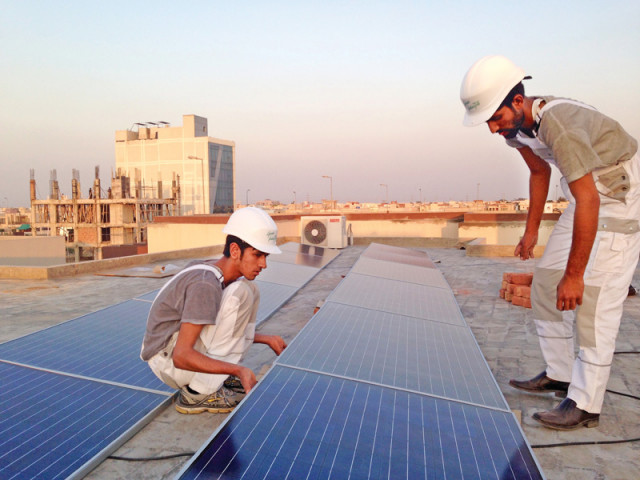
The cost of slowing solar transition

KARACHI: Once again, the government has introduced a controversial policy change that has created significant uproar among stakeholders in the energy sector as they brace for its impact. The net billing policy has replaced the net metering regime. Previously, the consumers under net metering paid for the difference between the electricity they exported to the grid and the electricity they imported from it. Under the new regime, the consumers will pay different rates for the units they purchase from the grid and those they sell back to it, with the…

Read More

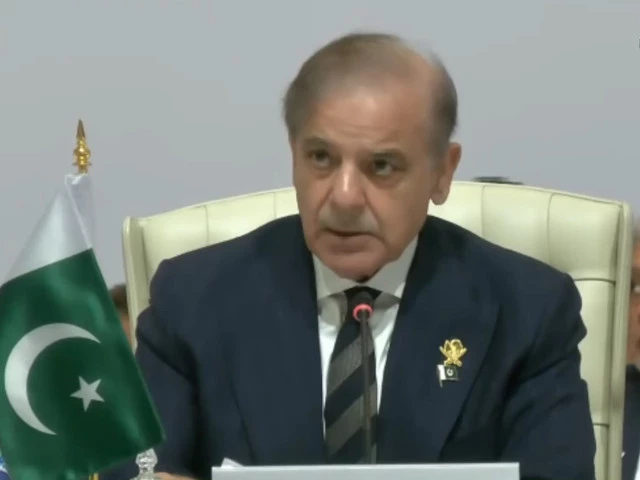
PM orders repatriation of Pakistanis from Iran

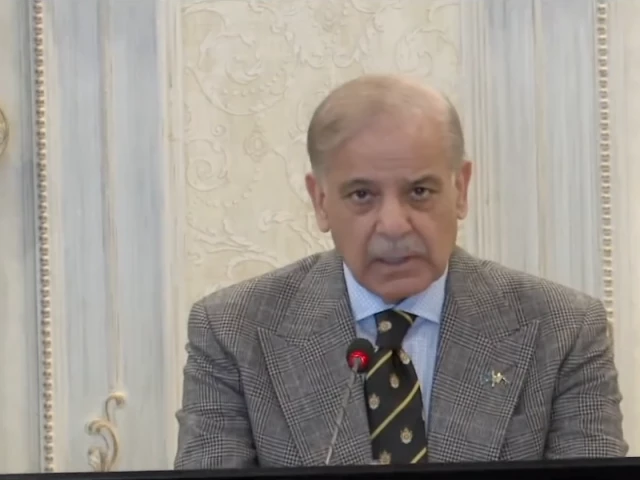
Prime Minister Shehbaz Sharif has directed the Ministry of Foreign Affairs to take all necessary steps to ensure the safe repatriation of Pakistanis stranded in Iran. The premier chaired a high-level review meeting on Saturday regarding the overall security situation in the country following the US-Israeli attack on Iran and Iran’s retaliatory attacks. Referring to the Pakistanis currently visiting Iran, the PM directed that all citizens should be brought back safely to Pakistan via Azerbaijan. In this regard, he directed the Ministry of Foreign Affairs to immediately contact the government…

Read More

Iran embassy in Pakistan condemns ‘barbaric’ killing of Khamenei

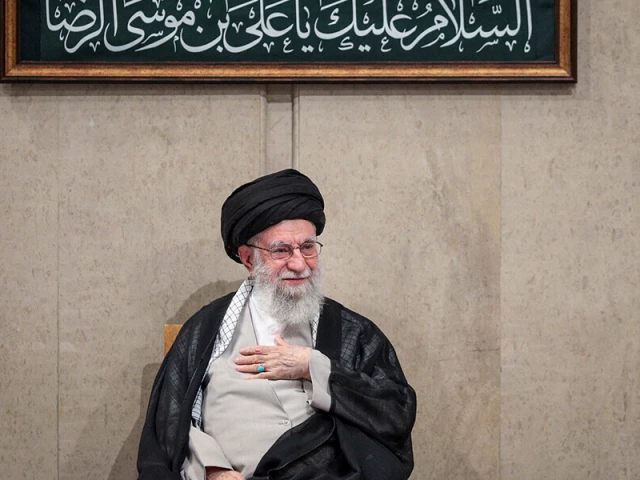
The Embassy of the Islamic Republic of Iran in Pakistan, in a statement released on Sunday, condemned, “in the strongest possible terms,” what it termed “the cowardly, hideous and barbaric terrorist act of targeting the leadership of the Islamic Republic of Iran.” The statement comes amid confirmation from Iranian state media that Supreme Leader Ayatollah Ali Khamenei had been killed in Israeli and United States strikes launched yesterday against Iran. “Recalling the bravery, resistance, steadfastness, and lifelong devotion of the Supreme Leader, Ayatollah Seyyed Ali Khamenei, to the ideals of independence, dignity,…

Read More

Pakistan in delicate balancing act

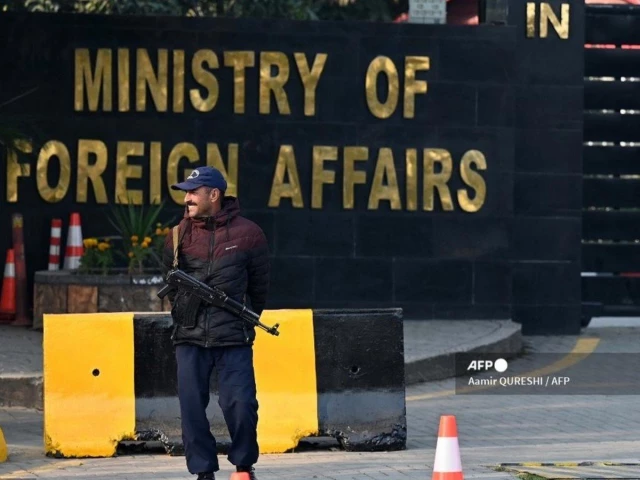
ISLAMABAD: Pakistan on Saturday condemned both the Israeli and US strikes against Iran and Iran’s retaliatory attacks on several Gulf countries, in what appears to be a carefully calibrated diplomatic response aimed at maintaining balance amid a rapidly escalating regional crisis. In a strongly worded statement, the Foreign Office expressed regret over the “breakdown of talks and outbreak of hostilities” in the Middle East, saying the attacks on Iran came at a time when diplomatic efforts were underway to secure a peaceful and negotiated settlement. “These attacks will undermine the…

Read More

PM reviews security, evacuation plans

ISLAMABAD: Prime Minister Shehbaz Sharif on Sunday chaired a high-level meeting to review regional and national security issues, including the evacuation of Pakistani citizens from Iran amid escalating tensions following the US-Israel attacks on Iran. The meeting was convened following confirmation of the assassination of Iranian Supreme Leader Ayatollah Ali Khamenei — a development that was followed by country-wide protests in Pakistan with at least 10 people dying in Karachi. According to a statement issued by the Prime Minister’s Office, the meeting took a detailed look at the regional situation,…

Read More