
By Tahir Masood (Rafa’el), Foreign Correspondent, Ireland
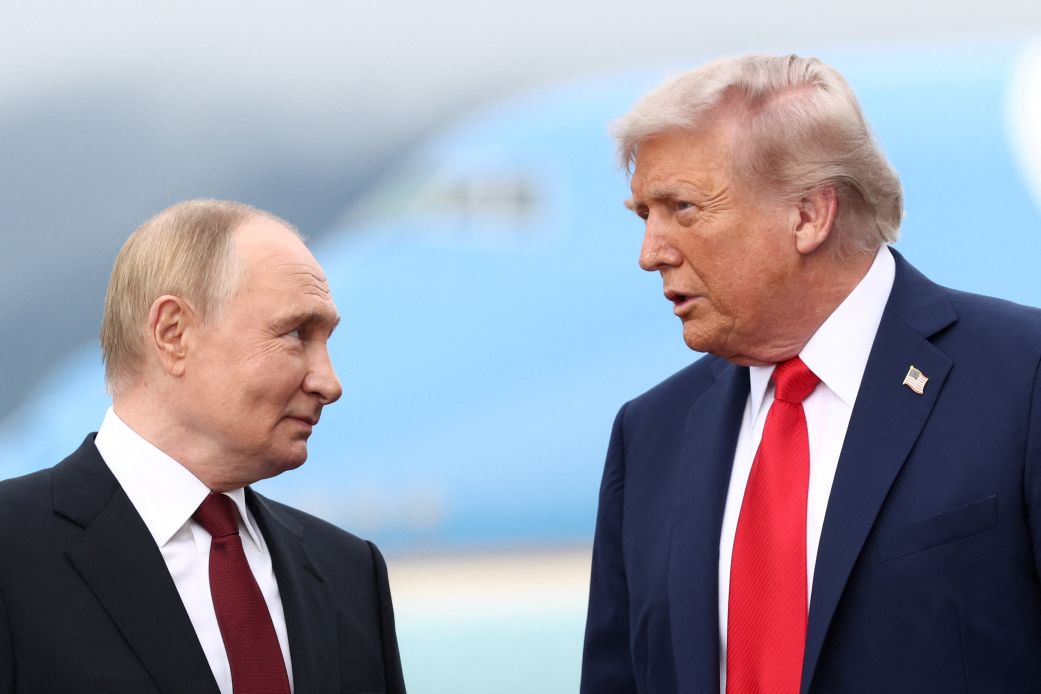
 Anchorage, Alaska — The long-anticipated summit between U.S. President Donald Trump and Russian President Vladimir Putin took place on August 15 at Joint Base Elmendorf–Richardson in Alaska. It was the first meeting between the two leaders since Russia’s full-scale invasion of Ukraine in 2022.
The three-hour talks were billed as a potential turning point in the war. Yet, when the leaders emerged, there was no ceasefire, no written agreement, and no sign of immediate progress. Instead, the meeting appeared to shift the diplomatic approach rather than resolve the conflict.
President Trump said afterward that the United States would no longer focus on securing a temporary ceasefire. Instead, he intends to push directly for a comprehensive peace agreement between Kyiv and Moscow. In his words, “there’s no deal until there’s a deal,” making it clear that negotiations are only just beginning. He also stressed that the final decision rests with Ukraine, saying it is up to President Volodymyr Zelenskyy to decide what peace would look like.
President Zelenskyy is now expected to visit Washington to continue the talks. His government has signaled willingness to engage but insists that any peace must be lasting, not simply a pause in fighting that allows Russia to regroup. Ukraine’s position remains that its territorial integrity and sovereignty are not negotiable.
European leaders reacted quickly after the summit. They welcomed efforts at dialogue but expressed concern about the direction of Washington’s strategy. Officials in Brussels and across European capitals repeated that Russia must not be allowed to block Ukraine’s membership in NATO or the European Union. They also warned that shifting the burden onto Kyiv to make a deal could leave Ukraine vulnerable to pressure from Moscow. The European Union has promised to continue both military and economic support for Kyiv while keeping sanctions on Russia in place.
For President Putin, the summit delivered symbolic benefits. Despite continuing his military campaign in eastern Ukraine, he stood alongside the U.S. president on American soil, received a formal welcome, and was treated as an equal partner in shaping Europe’s future. Russian media quickly declared the meeting a victory, stressing that Putin made no concessions yet gained international legitimacy and headlines around the world.
The optics of the summit were carefully staged. Red carpets, military honors, and international press coverage presented an image of respect and recognition for the Russian leader. For Moscow, this was an opportunity to show its domestic audience that Russia is still a central global power despite sanctions and isolation.
Markets watched the meeting closely. Oil prices shifted as traders considered whether the talks could eventually lead to sanctions relief or whether the stalemate will continue. Analysts described the summit as more symbolic than practical, suggesting no major change in global energy markets for now.
The broader meaning of the Alaska summit lies in the shift of U.S. policy. For years, Washington and its allies insisted on punishing Russian aggression before offering diplomatic rewards. By moving toward peace negotiations without securing a ceasefire first, the United States has opened the door to a new approach — one that aligns more closely with Moscow’s preferred strategy.
Critics say this risks weakening Western unity and putting Ukraine in a difficult position. Supporters argue that after years of bloodshed, any attempt to find a lasting peace is worth pursuing. What is certain is that the summit marked a turning point in how the conflict will be addressed on the world stage.
The conclusion of the meeting is clear: no ceasefire was reached, Ukraine remains under attack, and Russia gained a diplomatic stage without changing its behavior. The coming weeks, especially President Zelenskyy’s expected trip to Washington, will reveal whether this shift in strategy can lead to progress or whether it will leave allies divided.
The Alaska summit may not have delivered peace, but it showed that the world is entering a new phase of diplomacy. The next moves by Washington, Kyiv, Moscow, and European capitals will decide whether this phase brings compromise, stability, or deeper divisions.
For feedback or correspondence, please contact: Tahirmasood2024@gmail.com