Author: Inshrah Fatima (BS_AHS-Anesthesia technology)
Afilliation: MLT Department University of haripur,kpk, Pakistan
Supervised by: Samsam Fazal (Ms_AHS_Anesthesia technology)
Many patients believe that anesthesia, especially spinal or epidural anesthesia, causes long-term back pain. This fear is very common in our society and often prevents people from choosing safe and effective anesthesia methods. However, most of these beliefs are myths rather than medical facts.
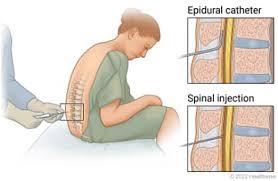
One of the most common myths is that the injection given in the backbone damages the spine permanently. In reality, spinal and epidural anesthesia are administered using fine, sterile needles by trained professionals. The injection is given in the space around the spinal cord, not into the cord itself. When proper technique is used, the risk of permanent injury is extremely rare.
Another widespread belief is that pain after spinal anesthesia lasts for the rest of life and that the bones of the backbone become weak. Many people say, “Once you take injection in the spine, your back will never be the same again.” This is incorrect. Temporary discomfort may occur due to muscle stiffness, poor posture during surgery, or lying in one position for a long time.
The bones do not become weak because of anesthesia. Bone weakness is usually related to poor diet, calcium deficiency, lack of exercise, or diseases such as osteoporosis — not spinal injections.
Some people think that repeated spinal anesthesia makes the back weak. There is no scientific evidence to support this claim. The backbone does not lose its strength due to spinal injections. Weakness is more commonly related to lifestyle factors and underlying medical problems.
It is also wrongly believed that spinal anesthesia always causes paralysis. This is not true. Paralysis after spinal anesthesia is extremely rare and is usually linked to serious infections, bleeding disorders, or pre-existing nerve diseases rather than the anesthesia itself.
In conclusion, spinal and epidural anesthesia are safe techniques when performed by trained anesthesia professionals. Public awareness is very important to remove fear and misinformation. Patients should discuss their concerns with their anesthetist instead of believing in myths. Correct knowledge can reduce anxiety and help people receive the best possible care.