By Tahir Masood (Rafa’el), Foreign Correspondent, Ireland
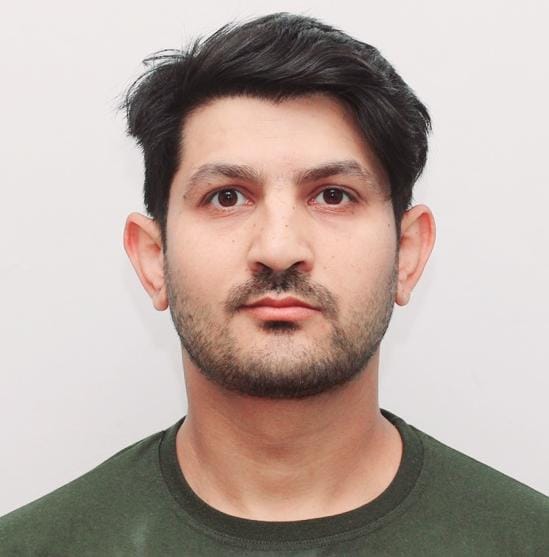 Pakistan, a nation envisioned to be a safe home for Muslims of the subcontinent, stands today at a moral and legal crossroads. On paper, its Constitution promises freedom, justice, and security to its citizens. In reality, however, certain laws, including the Prevention of Electronic Crimes Act (PECA) and Article 295 of the Pakistan Penal Code, have become tools of oppression rather than protection. Instead of safeguarding the sanctity of faith and order, they are misused to silence voices, settle personal vendettas, and most disturbingly they justify violence under the guise of religion.
Article 295, originally meant to prevent deliberate disrespect toward religion, has tragically evolved into one of the most dangerous legal instruments in Pakistan. Its loose definitions and subjective interpretations make it ripe for exploitation. A simple accusation – often with no evidence – is enough to destroy lives, tear apart families, and incite mobs to bloodshed. Over the years, we have seen the tragic lynching of Mashal Khan, a young university student in Mardan, who was beaten to death in 2017 by his peers after false allegations of blasphemy spread on social media. The case of Asia Bibi, a poor Christian woman, who spent nearly a decade on death row for allegedly insulting the Prophet (PBUH) before finally being acquitted, shook the conscience of the world. In December 2021, a Sri Lankan factory manager, Priyantha Kumara, was lynched and burned in Sialkot by a mob accusing him of blasphemy. These incidents are not isolated—they are symptoms of a larger national sickness where mere accusations are enough to justify murder.
PECA, on the other hand, which was enacted to curb cybercrimes, has increasingly been weaponized against journalists, human rights activists, and ordinary citizens who dare to criticize authority or express independent thought. Just as blasphemy allegations silence critical minds in the physical world, PECA is used to silence dissent in the digital one. Freedom of expression, one of the cornerstones of any democratic society, is suffocated under the weight of these laws. The irony is unbearable: laws intended to prevent harm are used to inflict it.
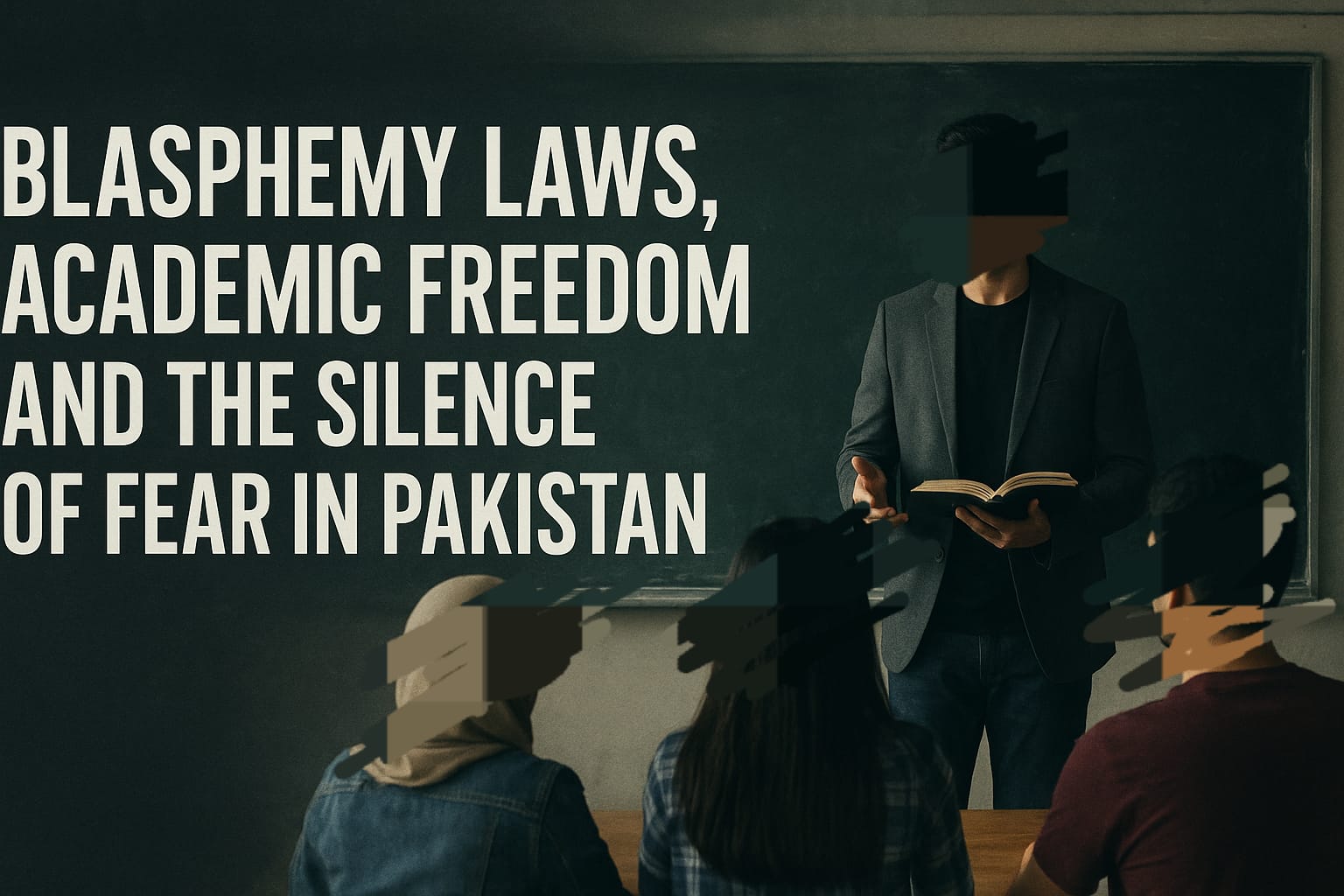
I witnessed this firsthand during my years as an assistant professor at one of Pakistan’s leading international universities in the capital. As part of my academic responsibility, I taught classical English literature – works that shaped the intellectual foundations of the modern world. Among them was John Milton, whose Paradise Lost continues to stand as a cornerstone of literary and philosophical thought. But in Pakistan, merely engaging with Milton became controversial. Some students, self-proclaimed guardians of religion, deemed the text blasphemous, ignoring that it was not an act of irreverence but simply part of an academic syllabus approved by the institution itself. Their reaction was not only misplaced but dangerous, creating a hostile environment where teaching literature became a risk rather than a pursuit of knowledge.
In an environment where reason and critical thought should have thrived, fear prevailed. The classroom became a courtroom, and I, myself an educator, stood accused without a trial. I had no choice but to leave not only the university but eventually the country itself because I couldn’t find myself fitting in society at all. My story is just one among many, but it illustrates the tragic reality: in Pakistan today, even intellectual engagement with world literature can be branded as blasphemy, with deadly consequences.
This suffocating environment is also why many professionals cannot return to Pakistan to pursue their careers. Journalism that questions power is crushed under PECA, and teaching that encourages independent thought risks being branded blasphemous. Both professions, which should stand at the heart of an enlightened society, are instead treated as threats. For someone like me, committed to critical inquiry and free expression, going back is not merely difficult but seems impossible.
The misuse of PECA and Article 295 has stained Pakistan’s social fabric with fear and blood. These laws in their current form embolden vigilantes, silence free thinkers, and betray the peaceful essence of Islam. My own exile as an academic and journalist is a painful reminder of what happens when intolerance is institutionalized. Pakistan stands at a critical juncture: it can either continue down the path of fear and violence, or it can rise to reclaim the spirit of justice and tolerance that once defined its struggle for existence. For the sake of its people and for the true spirit of Islam, reform cannot wait.
For feedback or correspondence, please contact: Tahirmasood2024@gmail.com