PSX at peak ahead of policy decision
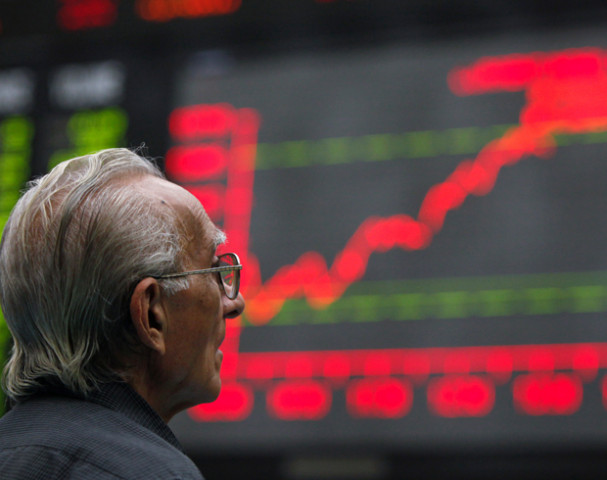
KARACHI: The Pakistan Stock Exchange (PSX) opened the week on Monday with renewed optimism and rose to a record high above 170k, reflecting the extension of bullish momentum from the previous week. Investors remained somewhat upbeat ahead of the monetary policy announcement later in the day, when the central bank unexpectedly cut its policy rate by 50 basis points. The rally was largely driven by buying interest in energy stocks, alongside expectations of a reduction in the policy rate. The session saw wild swings as the KSE-100 index traded between…

Read More

Monetary policy eased as SBP lowers policy rate to 10.5pc

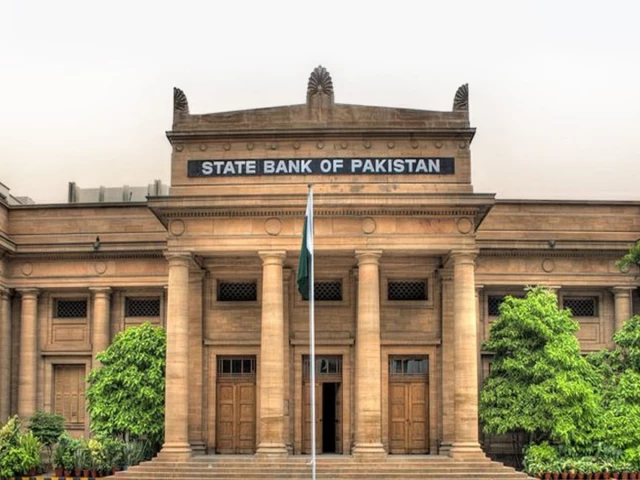
KARACHI: The State Bank of Pakistan (SBP) on Monday reduced the policy rate by 50 basis points to support sustainable economic growth, delivering a surprise to markets and marking a move that diverged from the International Monetary Fund’s (IMF) more cautious stance, which had emphasised maintaining the policy rate. Announcing its decision after the Monetary Policy Committee (MPC) meeting, the central bank said headline inflation had remained within the target range of 5-7% during July-November FY26, creating limited space for calibrated monetary easing. The MPC, however, acknowledged that core inflation…

Read More

Beyond palm oil, Pak-Indonesia trade entering a new phase

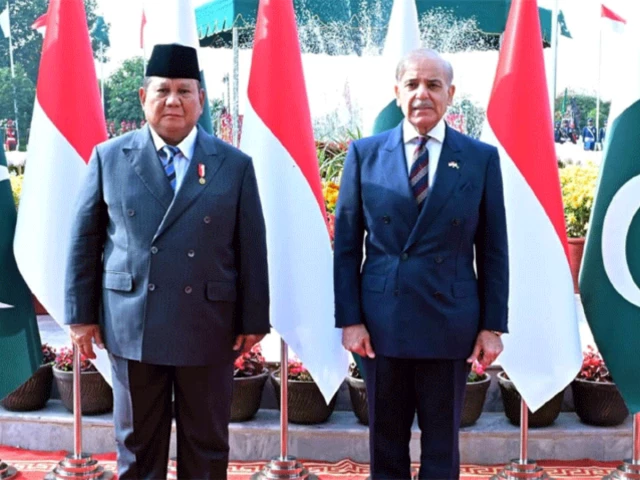
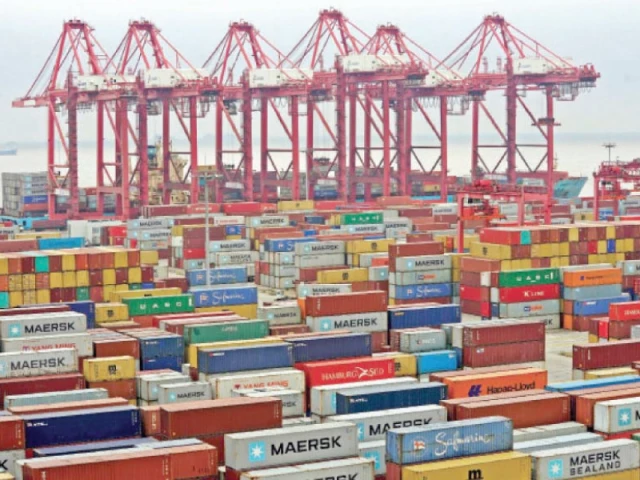
ISLAMABAD: Pakistan and Indonesia are steadily shaping one of South and Southeast Asia’s most consequential, yet under-reported, economic relationships. What began as a tariff-centred arrangement has matured into a broader commercial partnership driven by commodity flows, rising business-to-business engagement, and an expanding agenda for investment cooperation. Recent figures underline this momentum. Bilateral trade reached $4.2 billion in 2024, and early 2025 numbers continue to climb. Between January and September 2025, trade volumes touched $2.92 billion, up from $2.69 billion during the same period of last year. This steady rise reflects…

Read More

The myth of stability and Pakistan’s economic underperformance

ISLAMABAD: A “generally” held opinion is that Pakistan’s economy has performed better in military-led governments and that democracy has held back our economic potential. The last such episode under General Musharraf (1999-2007) saw a high growth rate, better-managed fiscal policy and a high level of investment. Based on a rather superficial analysis of these facts, it is believed that sustained economic growth requires political stability, which is not possible under a democratic dispensation where politics trumps economics. About the military rule and economic growth, we now understand that Pakistan’s foreign…

Read More

The reason state enterprises keep bleeding trillions

KARACHI: Pakistan’s state-owned enterprises (SOEs) have suffered a staggering cumulative loss of Rs5.9 trillion since 2014. There are multiple reasons for this. Among them, for example, are chronic operational inefficiencies such as poor cost controls, outdated systems and weak financial discipline. This, in turn, leads to corruption. Employees in key positions use their privilege to get kickbacks in procurement and the award of contracts. Weak financial controls mean that such corruption often goes undetected. And if it is detected, the perpetrators fear no reprisals, due to the incompetence and often…

Read More

Pakistan’s dual economies: stock market boom and a factory floor bust

ISLAMABAD: Stand on II Chundrigar Road in Karachi, the financial heart of Pakistan, in December 2025, and the mood is almost jubilant. The Pakistan Stock Exchange (PSX) has had a banner year, with the benchmark KSE-100 index surging nearly 40%, outperforming most regional markets. Yet, travel a few hundred kilometres north to the industrial hubs of Faisalabad or Gujranwala, and the silence is deafening. It is the silence of idle looms, shuttered factory gates, and industrial estates operating at ghosts of their former capacity. In late 2025, Pakistan presents a…

Read More

FBR seizes 2.75m kg of non-duty-paid tobacco

ISLAMABAD: Pakistan continues to face serious challenges posed by illicit trade and unlawful activities in the tobacco sector. The unchecked movement, storage and use of non-duty-paid un-manufactured tobacco remain a major source of Federal Excise Duty evasion. According to an official statement issued on Saturday, the prime minister has issued categorical directions to curb illicit practices in the tobacco and cigarette sector and ensure strict enforcement of tax laws across the supply chain. In line with these instructions, the FBR implemented a multi-layered enforcement strategy, under which the RTO Peshawar…

Read More

SBP pumps Rs10.48tr into banks

KARACHI: The State Bank of Pakistan (SBP) on Friday made sizeable liquidity injections through both conventional and Shariah-compliant open market operations (OMOs), providing more than Rs10.48 trillion in short-term funds to indirectly meet the government’s needs. According to the central bank’s Domestic Markets and Monetary Management Department, the SBP accepted a total of Rs10.27 trillion in its conventional reverse repo (injection) operation. The central bank saw significant participation from market players across two tenors, which reflected persistent demand for short-term liquidity in the banking system. In the seven-day tenor, banks…

Read More

Govt, industry flag deep economic strains

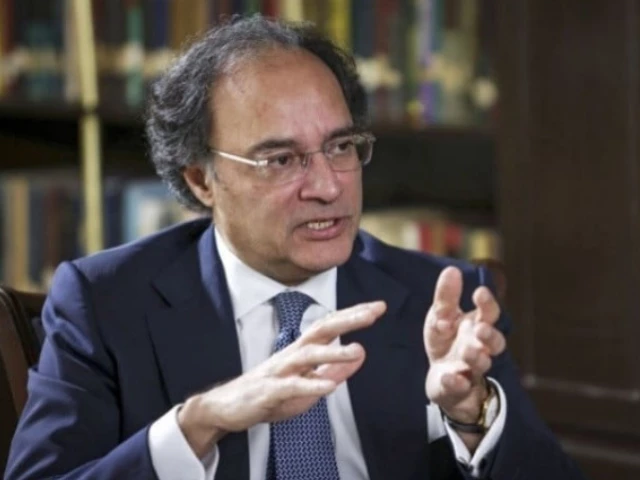
LAHORE: Federal Finance Minister Senator Muhammad Aurangzeb on Saturday said that sustained, meaningful dialogue between the government and the business community is essential for finding workable economic solutions, stressing that engagement limited only to the annual budget cycle cannot address structural problems. Addressing the All Pakistan Chambers Conference hosted by the Lahore Chamber of Commerce and Industry (LCCI), he said constructive discussions have recently taken place between the federation and the provinces on the NFC Award, leading to the formation of eight working groups, with progress expected by January 15.…

Read More

Gems sector seeks value-addition

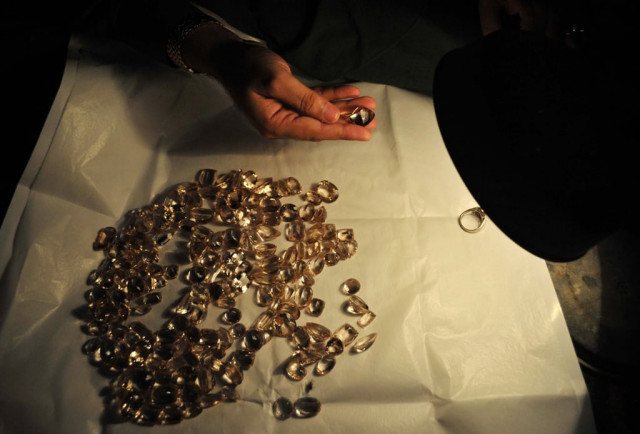
LAHORE: Calls are growing for the government to establish dedicated value-addition zones and marble parks to transform Pakistan’s gemstone and marble industry, which remains largely informal despite its significant natural wealth. Industry representatives warn that without modern processing facilities, freight relief, and long-term export-focused reforms, Pakistan will continue to lose billions in potential revenue to regional competitors. The appeal comes at a time when the global gemstone and related products market is expanding rapidly. According to local industry estimates, the global market for precious and semi-precious stones was valued at…

Read More